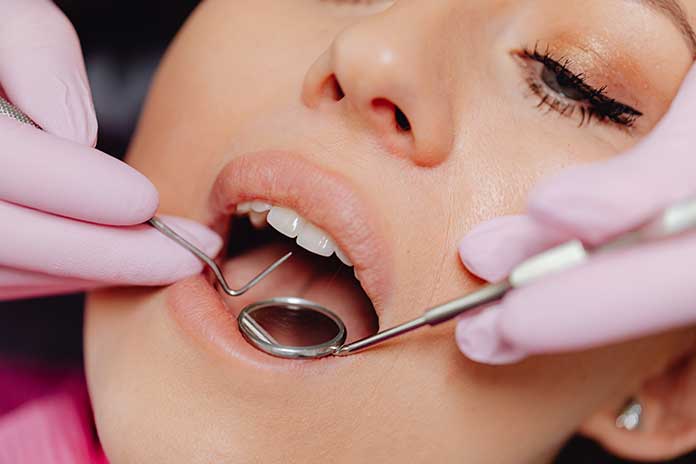

You have a dentist appointment and you’re already wondering days in advance whether you should cancel it. Your pulse quickens, the thought makes you anxious, and you might keep putting off the appointment. You’re not alone. Many people are afraid of the dentist. For some, it’s just a queasy feeling; for others, it’s such intense fear that they avoid treatment altogether. But that can become a problem. Because those who avoid treatment out of fear risk their dental health over time.
What Is Dental Anxiety?
Dental anxiety describes the fear of dental treatment. It can vary in intensity:
- Slight discomfort before the appointment
- Severe nervousness or tension
- Pronounced anxiety that leads to avoiding appointments
In severe cases, it may be referred to as dental phobia.
Why Are So Many People Afraid of the Dentist?
The reasons for dental anxiety vary; often several factors play a role.
Typical triggers include:
- Negative experiences in the past
- Fear of pain
- Loss of control during treatment
- Feelings of shame about one’s own dental condition
Experiences from childhood are particularly formative. If you experienced a treatment as painful or unpleasant at that time, it can have a lasting impact.
What Can Help You Overcome Dental Anxiety?
The good news: You can actively do something about your fear of the dentist.
11 Tips to Overcome Dental Anxiety
- Find a dentist you trust. A healthy relationship of trust can help reduce dental anxiety.
- Don’t hide your fear; talk to your dentist about it openly. That way, the practice can prepare accordingly and give you extra care.
- Ask family or friends if someone can accompany you to the dentist.
- Some people find it helpful to know what the dentist is doing. Arrange for detailed explanations and ask questions if you don’t understand something.
- Ask your dentist about individual measures to combat the tension: relaxation exercises, films, or music through headphones to drown out the drilling noises.
- Agree on a specific hand signal before the treatment. That way the dentist will know when you need a break.
- If you need multiple treatments, always book your next appointment directly.
- Don’t postpone your dentist appointments. Regular dental checkups, combined with learning how to brush your teeth properly, can help prevent common oral health problems and reduce the likelihood of more extensive treatment.
- If you haven’t visited a dentist in a while, start with small steps and short treatments.
- Don’t hesitate to seek psychological support to help you overcome your fear of the dentist.
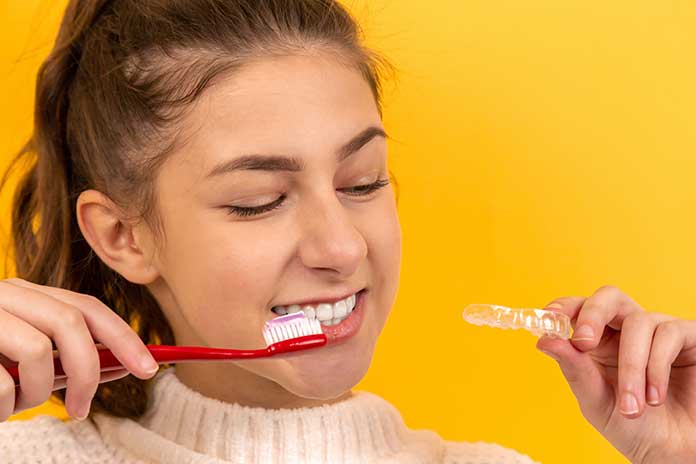
- Take good care of your teeth. Following a proper daily dental care routine can help maintain healthy teeth and gums. Your dentist can also give you personalized tips for optimal oral hygiene.
When Does Fear of the Dentist Become a Phobia?
If the fear is so strong that you do:
- You consistently avoid appointments
- You experience strong physical reactions
- Completely avoid dental appointments
A dental phobia may be present. In such cases, it can be helpful to seek professional support.
Why It’s Worth Tackling Fear of the Dentist
Even though it’s difficult, regular dental checkups are important.
Because:
- Problems are identified early.
- Treatments remain simpler
- The risk of pain and more extensive treatment can be reduced.
In short: In the long run, you will have fewer dental problems.
Frequently Asked Questions About Dental Anxiety
1. What Is Dental Anxiety?
Dental anxiety is the fear of dental treatment. It ranges from mild unease before the appointment to strong nervousness and even pronounced fear that leads those affected to avoid appointments altogether. In particularly severe cases, it is referred to as dental phobia.
2. What Causes Dental Anxiety?
Dental anxiety usually arises from several factors simultaneously: negative past experiences, fear of pain, a feeling of loss of control during treatment, or shame about the condition of one’s teeth. Experiences from childhood, where treatment was perceived as painful, are often particularly formative.
3. When Does Fear of the Dentist Become a Phobia?
Dental phobia may involve intense fear, anxiety, or avoidance of dental treatment that interferes with receiving dental care. A qualified professional can assess the condition.
4. What Specifically Helps Against Dental Anxiety?
Helpful measures include having a trusted dentist, open communication about your anxiety, being accompanied by a trusted person, and individual strategies such as relaxation exercises or listening to music through headphones during treatment. A pre-arranged hand signal for treatment breaks can also provide reassurance.
5. Why Should I Go for Regular Checkups Despite Having Dental Anxiety?
Regular dental checkups help you catch problems early, keep treatments simpler, and avoid pain. Those who avoid the dentist because of fear risk more extensive dental damage and more complex treatments later on.