
Weight loss doesn’t need to be difficult or stressful. Instead of relying on the strict eating plan that guarantees rapid results, making a few small modifications to your current eating habits can be really helpful in managing your weight over time. Here are 12 nutrition tips to help you choose nutritious foods and adopt healthy habits for your life.
12 Nutrition Tips for Healthy Weight Loss
Have you tried many diets without success? The right nutrition can help. These 12 nutrition tips will support you in improving your eating habits in the long term and achieving your goal of losing weight healthily.
1. Reduce Your Consumption of Sweets
Certain snacks and sweets contain a lot of sugar, which causes your blood sugar level to rise quickly, giving you a short-term energy boost. However, your blood sugar level drops again soon afterwards, which can lead to reduced performance and also promotes cravings. This cycle often leads to further consumption of sweets.
2. Prefer Whole Grain Products
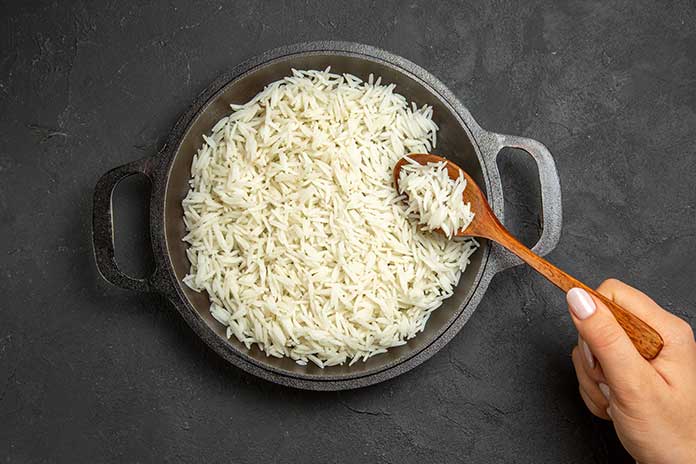
They contain the whole grain of the cereal and, therefore, in addition to vitamins and minerals, plenty of fibre, which promotes digestion, strengthens the intestines and provides long-lasting satiety.
3. Eat Fewer Animal Products
High-fat animal products contain saturated fatty acids, which can negatively affect your cholesterol levels. Therefore, choose low-fat versions of meat and dairy products. It is best to limit meat consumption and choose a balanced diet that includes more plant-based foods.
4. Eat Vegetables and Fruit Daily
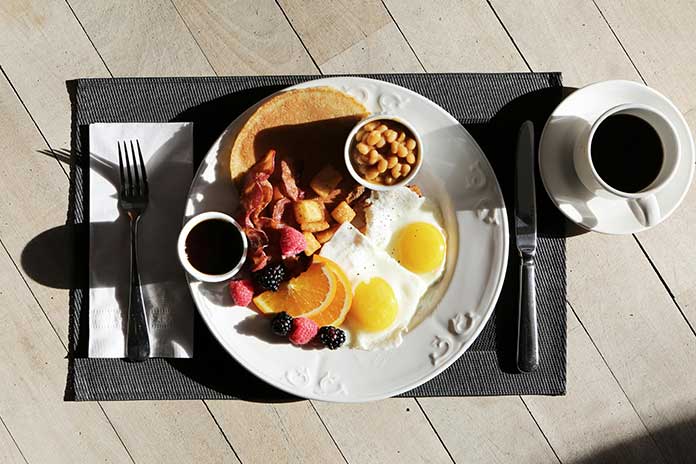
Fresh vegetables, raw vegetables, and salads (e.g., cabbage, carrots, fennel, cucumbers, spinach, and tomatoes) are low in calories and high in fibre, and their large volume provides a pleasant feeling of fullness. Supplement these with two small portions of fruit daily, choosing low-sugar varieties (e.g., berries, apricots, and tangerines).
5. Choose Plenty of Non-Energy Drinks
Soft drinks contain a lot of sugar and calories. If you want to lose weight, opt for the healthier alternatives: (mineral) water and unsweetened tea – ideally two litres a day. To add variety to your drinks, you can flavour your glass of water with fruit slices or herbs.
6. Consume Alcoholic Beverages in Moderation
Beer, wine, and cocktails can add calories to your diet, which may make weight management more difficult. Therefore, enjoy these drinks in small quantities on special occasions or during enjoyable moments. Suitable alternatives include non-alcoholic beer, wine, or sparkling wine.
7. Eat Mindfully and Enjoy Your Food
It can take time for your body to register fullness while you eat. People who eat quickly, chew poorly, and gulp down their food often consume larger portions than those who take their time for a meal and eat mindfully. Savour your food and chew thoroughly; this also aids digestion and prevents bloating.
8. Pay Attention to Your Feeling of Fullness
Your plate is still half full, but you’re already feeling slightly full. You can stop eating when you feel comfortably full and save the rest for later. To avoid waste, ask restaurants to pack your leftovers to take home.
9. Increase Your Physical Activity
To lose weight, you need to burn more calories than you consume. You can support this goal through exercise and physical activity. Choose something you enjoy, and you’ll stick with it.
10. Reduce Your Fat Intake
Fat is quite high in calories. One gram contains about nine calories, twice as many as carbohydrates, for example. Some dietary guidelines recommend that fat provide around 20% to 35% of total daily calories for adults. It’s not a classic diet if you prioritise vegetable oils and avoid hidden fats.
11. Prefer Complex Carbohydrates
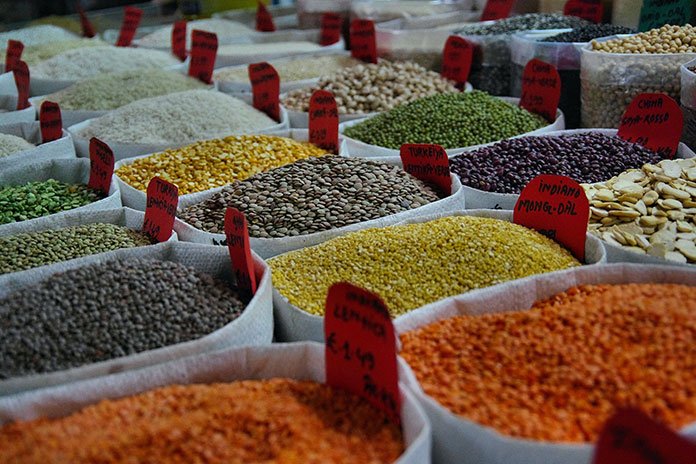
We already mentioned sweets in point 1 – they consist of simple carbohydrates that provide quick but short-lived satiety. Complex carbohydrates, found in whole-grain products, many vegetables, nuts, legumes, and potatoes, are different. The body must break down the molecular chains before it can metabolise them. Therefore, they provide satiety more slowly but for a longer period. A low-carb diet generally reduces carbohydrate intake.
12. Give Yourself Time to Lose Weight
Losing ten kilos in a week – sounds good, right? Unfortunately, it’s not that simple. Strict crash diets can be difficult to maintain and may lead to weight regain after the diet ends. After the diet, weight regain may occur as energy needs change and previous eating habits return. Even the strictest diets are useless if you continue your previous eating habits.
Conclusion
Getting to a healthy weight takes some time and requires long-term effort and healthy eating. Your body needs to be nourished with good food, and your lifestyle needs to include regular exercise. Making small, sustainable, and reasonable changes can help you reach and maintain a healthy weight without resorting to crash diets or quick fixes.
Also Read: Five Healthy Weight Loss Tips